In a recent Entrée to Black Paris blog post, I spoke of Eugénie Eboué-Tell - Counselor/Senator for the island of Guadeloupe from 1946-1952. A few weeks ago, I learned that another black woman served in the French Senate at the same time.
Her name was Jeanne Vialle.

Jeanne Vialle
Photo from French Senate Web site
Vialle was born in Ouesso, Congo in 1906. Daughter of a Congolese mother and a French father, she attended high school in Paris and went to work as a journalist at the press agency Opéra Mundi.
Vialle joined the French Resistance in Marseille in 1940 and was captured by the Germans in 1943. She was sent to a concentration camp and then to a prison, from which she escaped. She was awarded the Medal of the Resistance for her courage.
After the war, she toured West and Central Africa, traveling 9,000 miles through Senegal, Ivory Coast, Oubangui-Chari, and Chad to speak at conferences to raise awareness of the educational, cultural, and economic needs of Africans. She worked for Agence France Presse and several publications in French West Africa.
In 1946, she became a member of the editorial board of the formerly clandestine journal Combat. She carefully followed the then-current debate on how France would administer its colonies as a newly formed Union Française, which was supposed to be based on equality of race and class.

Map of the Union Française
Source: FRONAC
At this time, she and Eslanda Goode Robeson interviewed each other when Robeson visited the French and Belgian Congo.
In 1947, she was elected to the French Senate as a representative of Oubangui-Chari (today's Central African Republic). That year, she co-founded an economic cooperative called L'Espoir Oubanguien (Oubanguian Hope) with French engineer Bernard Laffaille. She led this organization until 1949.
Vialle was a staunch promoter and defender of equal rights for the citizens of France's colonies and of women's rights and education. In 1948, she founded l'Association des femmes de l'Union française d'outre-mer et de métropole (AFUF) (Association of Women of the French Union) to encourage and support the education of girls from France's colonies in France so that they could return to their homelands and work to improve conditions there. She believed that without such support for African women, no sustainable progress would be possible.
Re-elected to the Senate in 1948, Vialle became vice president of the France Overseas Commission the following year and also participated on the Labor and Social Security Commission. In 1950, she left this post to rejoin the committee for national education and once again focused her energy on improving the state of education and social development in France's African colonies.
Vialle joined the United Nations' ad hoc committee on slavery and visited the United States more than once to participate in discussions about 20th-century slavery. She was featured on the cover of Crisis Magazine in April 1950. The full-length story that the magazine published was partly sourced from a press release written by the French Embassy in the U.S. and released in March 1950.
An Associated Press article published in the Pittsburgh Post-Gazette on June 14, 1950 refers to her as "Mme. Jane Vialle, dark skinned member of French West African coastal family and a representative of her region in the French Senate." The Indianapolis Recorder refers to her as "Mme. Jane Vialle" and described her as "one of 17 women and 28 colored persons in the 320-member council" (Council of the Republic - upper house of the French legislature) in an article published on April 28, 1951.

Banner from Afro-American newspaper - May 12, 1951
The Afro-American (Baltimore, MD) published two articles about Vialle in 1951. The first, published on February 10, refers to her as a "colonial stalwart" (along with Senate leader Gaston Monnerville) and reports that "With the United Nations, she is trying to put an end to slavery for all time."
The second article, published on May 12, refers to her as "Senator Vialle, one of two colored women among 28 colored people in France's Council of the republic"and reports that she "speaks fair English, but used an interpreter."
The NAACP bestowed membership on Senator Vialle during a Boston luncheon in 1951; on June 2, 1951, the Afro-American reported that she was presented an orchid in honor of the occasion and that she wore a tailored gray suit with a matching beret. The Belgian journal Civilisations published a four-page paper called "Femmes Africaines" (African Women) authored by Vialle in 1951.
Vialle ran for re-election once again in 1952. This time, she was defeated by an independent candidate.
She died in a plane crash in southwestern France in February 1953 and was cited posthumously by the Order of the Nation on May 23, 1953. This citation is awarded to civilians and military personnel for "services or acts of exceptional devotion, accomplished for France at the risk of one's life..."
************

If you like this posting, share it with your friends by using one of the social media links below!
Her name was Jeanne Vialle.

Photo from French Senate Web site
Vialle was born in Ouesso, Congo in 1906. Daughter of a Congolese mother and a French father, she attended high school in Paris and went to work as a journalist at the press agency Opéra Mundi.
Vialle joined the French Resistance in Marseille in 1940 and was captured by the Germans in 1943. She was sent to a concentration camp and then to a prison, from which she escaped. She was awarded the Medal of the Resistance for her courage.
After the war, she toured West and Central Africa, traveling 9,000 miles through Senegal, Ivory Coast, Oubangui-Chari, and Chad to speak at conferences to raise awareness of the educational, cultural, and economic needs of Africans. She worked for Agence France Presse and several publications in French West Africa.
In 1946, she became a member of the editorial board of the formerly clandestine journal Combat. She carefully followed the then-current debate on how France would administer its colonies as a newly formed Union Française, which was supposed to be based on equality of race and class.
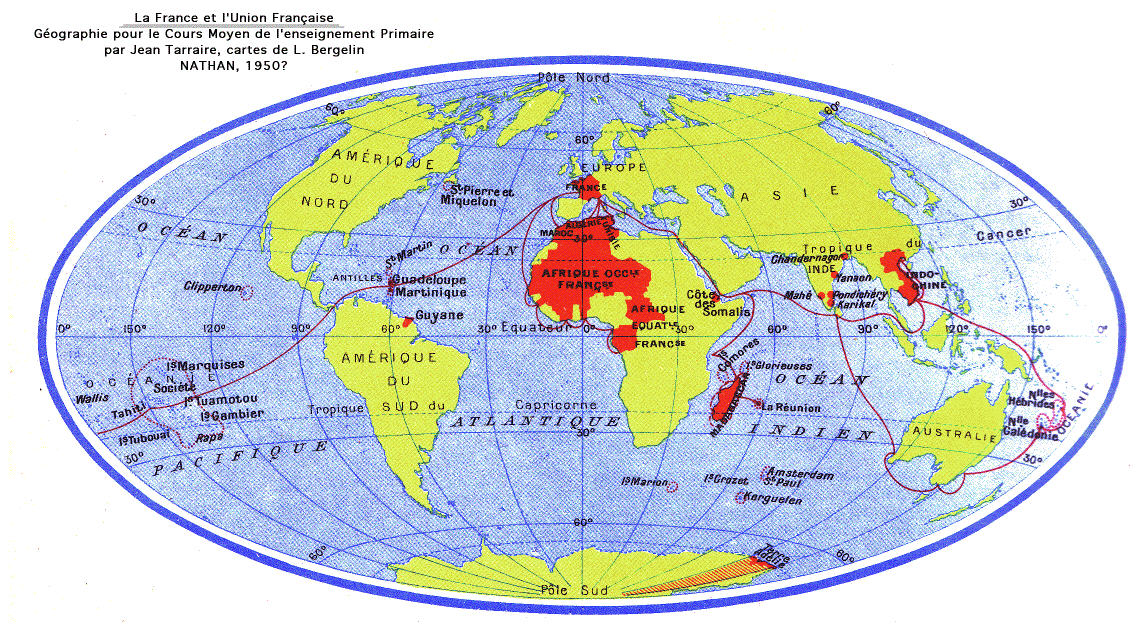
Source: FRONAC
At this time, she and Eslanda Goode Robeson interviewed each other when Robeson visited the French and Belgian Congo.
In 1947, she was elected to the French Senate as a representative of Oubangui-Chari (today's Central African Republic). That year, she co-founded an economic cooperative called L'Espoir Oubanguien (Oubanguian Hope) with French engineer Bernard Laffaille. She led this organization until 1949.
Vialle was a staunch promoter and defender of equal rights for the citizens of France's colonies and of women's rights and education. In 1948, she founded l'Association des femmes de l'Union française d'outre-mer et de métropole (AFUF) (Association of Women of the French Union) to encourage and support the education of girls from France's colonies in France so that they could return to their homelands and work to improve conditions there. She believed that without such support for African women, no sustainable progress would be possible.
Re-elected to the Senate in 1948, Vialle became vice president of the France Overseas Commission the following year and also participated on the Labor and Social Security Commission. In 1950, she left this post to rejoin the committee for national education and once again focused her energy on improving the state of education and social development in France's African colonies.
Vialle joined the United Nations' ad hoc committee on slavery and visited the United States more than once to participate in discussions about 20th-century slavery. She was featured on the cover of Crisis Magazine in April 1950. The full-length story that the magazine published was partly sourced from a press release written by the French Embassy in the U.S. and released in March 1950.
An Associated Press article published in the Pittsburgh Post-Gazette on June 14, 1950 refers to her as "Mme. Jane Vialle, dark skinned member of French West African coastal family and a representative of her region in the French Senate." The Indianapolis Recorder refers to her as "Mme. Jane Vialle" and described her as "one of 17 women and 28 colored persons in the 320-member council" (Council of the Republic - upper house of the French legislature) in an article published on April 28, 1951.

The Afro-American (Baltimore, MD) published two articles about Vialle in 1951. The first, published on February 10, refers to her as a "colonial stalwart" (along with Senate leader Gaston Monnerville) and reports that "With the United Nations, she is trying to put an end to slavery for all time."
The second article, published on May 12, refers to her as "Senator Vialle, one of two colored women among 28 colored people in France's Council of the republic"and reports that she "speaks fair English, but used an interpreter."
The NAACP bestowed membership on Senator Vialle during a Boston luncheon in 1951; on June 2, 1951, the Afro-American reported that she was presented an orchid in honor of the occasion and that she wore a tailored gray suit with a matching beret. The Belgian journal Civilisations published a four-page paper called "Femmes Africaines" (African Women) authored by Vialle in 1951.
Vialle ran for re-election once again in 1952. This time, she was defeated by an independent candidate.
She died in a plane crash in southwestern France in February 1953 and was cited posthumously by the Order of the Nation on May 23, 1953. This citation is awarded to civilians and military personnel for "services or acts of exceptional devotion, accomplished for France at the risk of one's life..."
Entrée to Black Paris!™ is a Discover Paris! blog.
If you like this posting, share it with your friends by using one of the social media links below!


